Seed germination is heavily dependent on several factors, but soil temperature is likely the most important. At the proper temperature, seeds can germinate quickly and produce strong seedlings. If the soil is too cool, however, the seed will take much longer to germinate and the seedling may struggle. Too hot and the contents of the seed may, literally, cook inside the seed coat before the seedling can sprout.
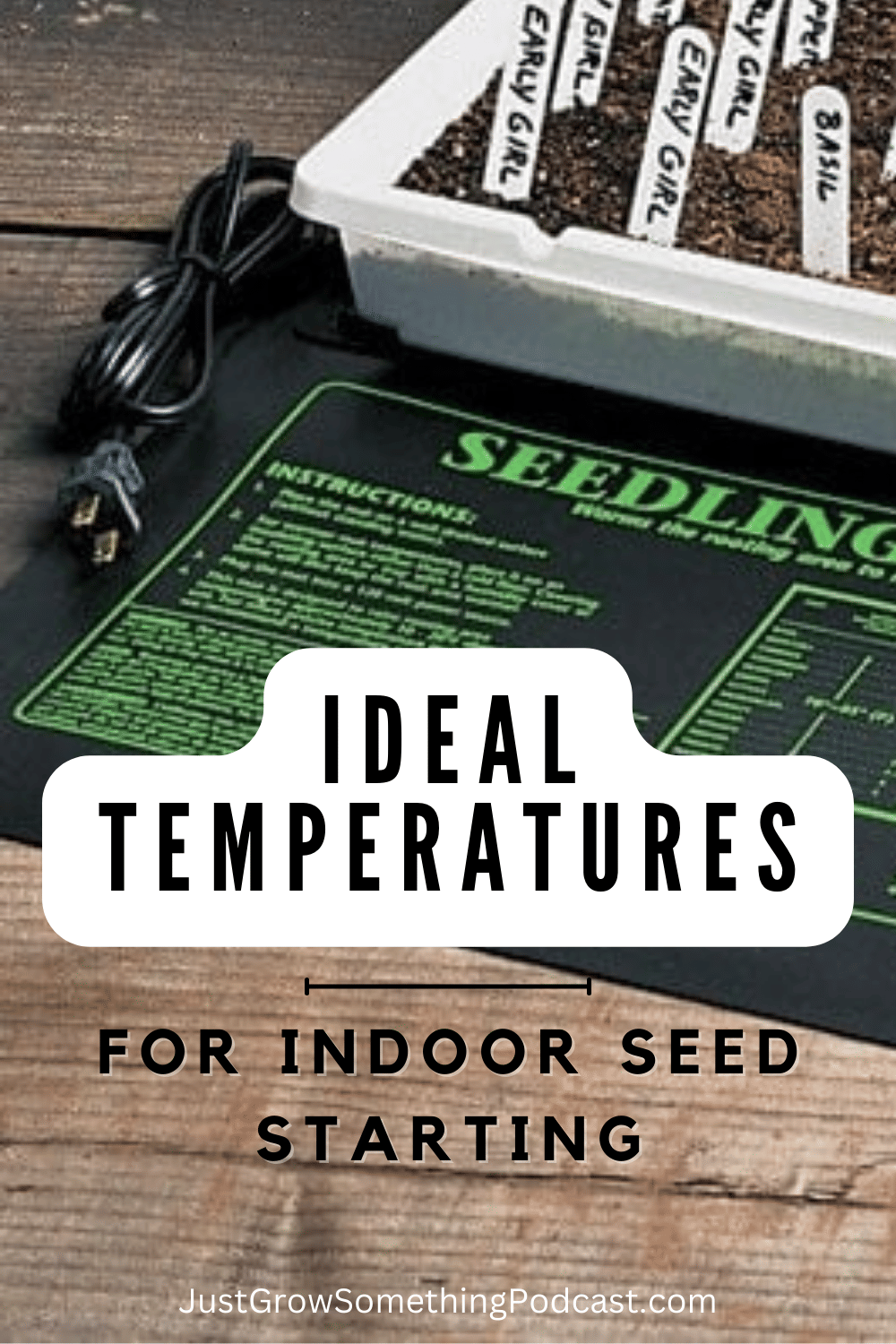
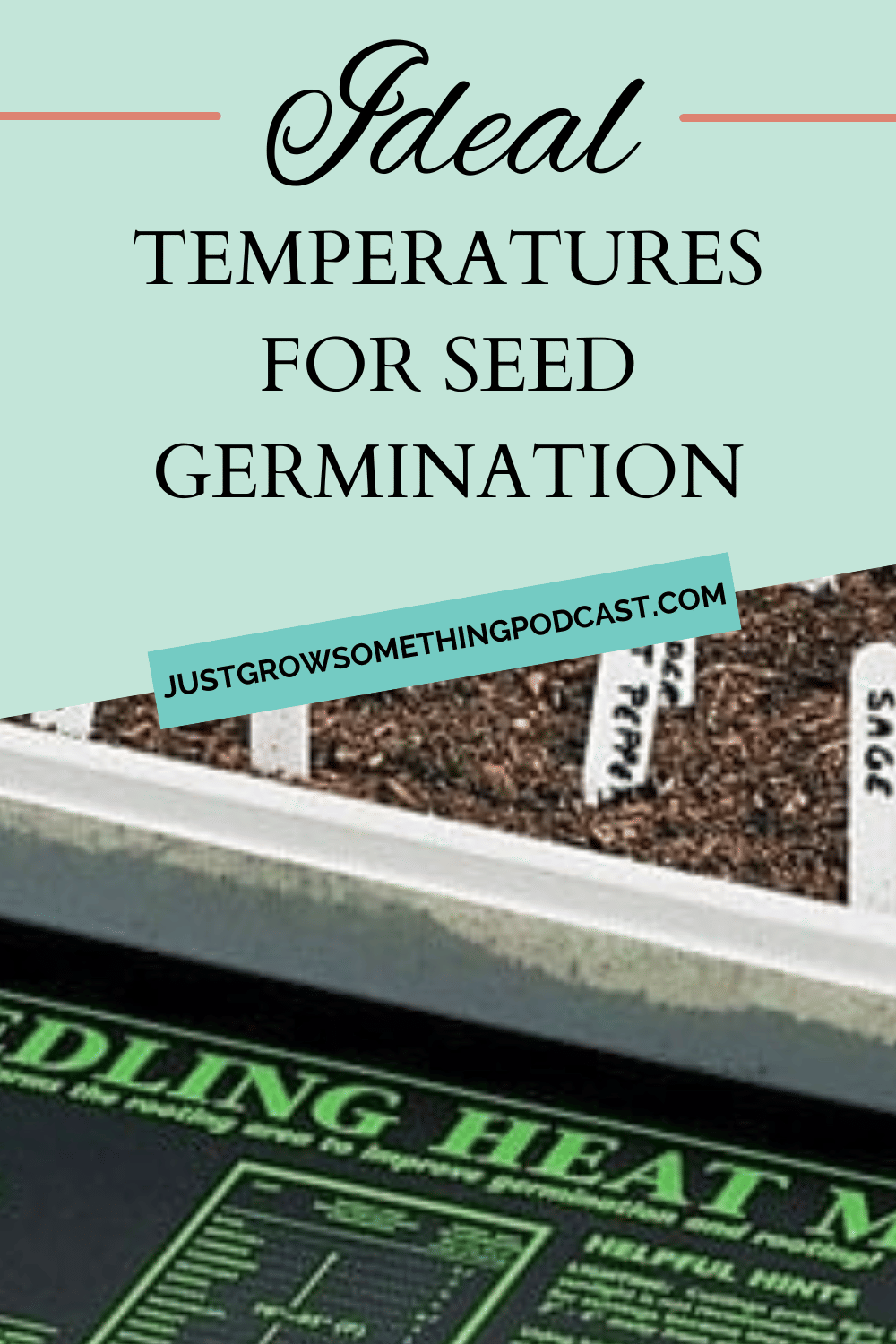 Soil temperature is especially important when we’re starting seeds indoors in a controlled environment. Because indoor seed starting can take up lots of room we need to be as efficient as possible. Proper soil temperature also gets those seedlings off to the best start possible, making them stronger for transplanting later. But, just turning the heat up in our seed starting area may raise the air temperature but not have as big an affect on soil temp as we might hope (and then the air temp may be too high for the seedlings when they do sprout!). If your planting area is cool, a seedling heat mat is a great way to raise the temperature up a few degrees right at the soil level without heating up the rest of the space.
Soil temperature is also important when planting directly into the garden outside. Using a soil thermometer or compost thermometer is the best way to tell what your soil temperature is. Waiting to plant until the soil warms to the ideal temperature or cools down in the fall will make a big difference in germination percentage. Planting too early or too late can stunt germination or even kill seeds altogether.
Many times, the seed packet will tell us what soil temperature is appropriate for what we’re growing. In case that’s missing, here’s a handy reference with some of the most common garden herbs and vegetables and their recommended soil temperatures for germination:
|
Crop |
Soil Temperature Range |
|
Beans |
75-85F |
|
Beets, Swiss Chard |
65-85F |
|
Brassicas (broccoli, cabbage, kale, etc) |
60-85F |
|
Carrots |
60-85F |
|
Celery |
60-70F |
|
Corn |
65-95F |
|
Cucumber |
65-95F |
|
Eggplant |
75-85F |
|
Garlic |
65-85F |
|
Kohlrabi |
60-95F |
|
Leeks, Onions |
65-85F |
|
Lettuce, Endive, Mustard, Radicchio |
60-75F |
|
Melons |
75-95F |
|
Okra |
85-95F |
|
Parsley |
65-85F |
|
Parsnip |
65-75F |
|
Peas |
65-75F |
|
Pepper |
65-75F |
|
Radish |
65-85F |
|
Spinach |
65-75F |
|
Squash (summer, winter, pumpkins) |
85-95F |
|
Tomato |
65-85F |
|
Turnip |
60-95F |
Knowing the ideal soil temperature for germination of each seed you plant to start can help you better plan out your seed starting schedule. Grouping together plants that have similar requirements can help you rotate your seedlings through your starting area and help conserve space. It can also save you headaches of having to replant outside in the garden if your seeds fail to germinate properly.
Some helpful podcast episodes related to seed starting: Five Tips to Successful Seed Starting
Other helpful articles: Five Tips to Successful Seed Starting Indoors
Happy planting!
Your Friend in the Garden,