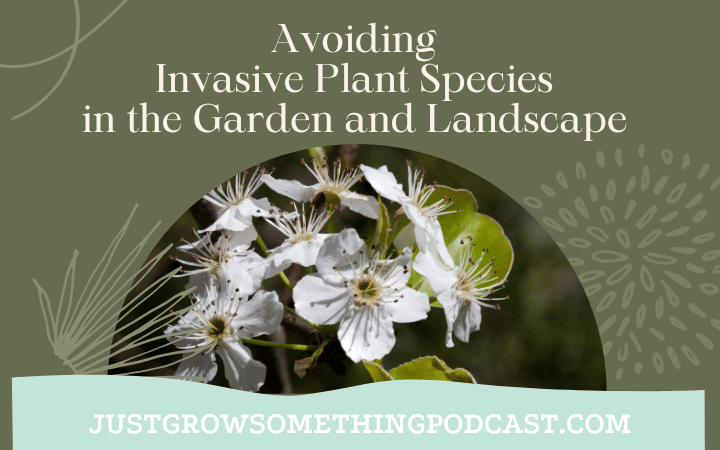
Unfortunately, there are many species that get planted into our landscapes or our gardens that are considered invasive in areas. No matter where you are, it’s likely that your region has plants that were introduced from another continent or even another area of your country that have escaped cultivation and gone on to propagate almost uncontrolled in the wild. We regard these plants as invasive species.
 Invasive species aren’t limited to plants. An invasive species can be any organism that is either introduced to a new region or was already there and something happens to reduce its competition, and it thereby becomes overpopulated and negatively alters its new or existing environment. Sometimes their spread can have beneficial aspects, but in most cases invasive species adversely affect the habitat and bioregion they are in, causing ecological, environmental, and even economic damage.
One animal example to my area is Missouri is carp, both silver and bighead carp. They were originally imported to the US to clean algae from tanks in commercial fish farms and sewage treatment plants, but they escaped confinement during floods and now they’ve spread throughout the states rivers and are now entering lakes. Not only do these carp eat the native fish food at an alarming rate, but they can also get to be as big as 50 pounds and jump as high as 10 feet out of the water which, of course, can cause a lot of damage to people and their boats out on the water.
An example of a native animal species that turned invasive is the purple sea urchin. It is native to the California coast and used to be kept under control by the California sea otter, which eats the sea urchin. But, since the sea otter has been overhunted, the sea urchin numbers are escalating - to a point which has begun to decimate natural kelp beds along the northern California coast. That, in turn, causes all kinds of other problems on down the food chain. So, the carp was an introduced species, and the sea urchin is a native species, but they are both viewed as invasive because they upset the natural balance of the region.
The exact same thing can be seen in plant species. Exotic plants from faraway lands may be beautiful but there is no way to stop them from escaping the confines of your garden or your landscape through the dispersion of seeds or by underground rhizomes. Once this happens, it can have a real and lasting impact on the plant and animal species of the area and their ability to survive.
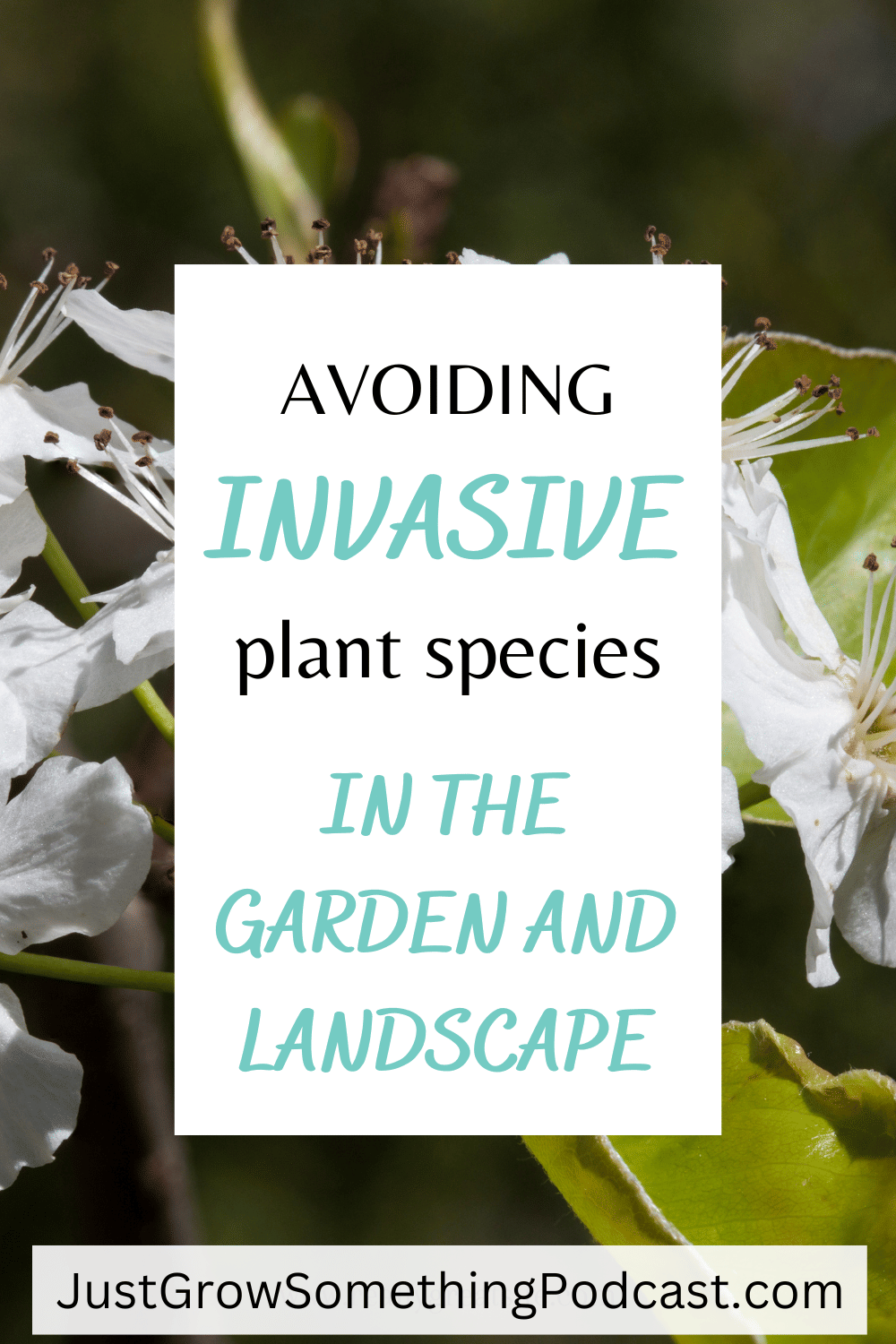
Can this introduction from area to another happen naturally? Absolutely. It happens slowly over time, but an organism can migrate into long-established ecosystems and muck up the works, for sure. Often times the ecosystem shifts and adjusts and other times it can be a devastating change. But human activities have greatly increased the rate and scale of these invasions and the outcome has been much more devastating than any natural migration. Many of the invasive transplants that we find in the wilderness of North America originally hailed from Europe and Asia, brought over by settlers who just wanted to bring their favorite plants with them to their new home. In more recent years, it’s been plants brought in from other regions that were purely for decorative purposes in landscapes or even those that were bred for their looks and supposedly sterile that escaped cultivation and are now causing a myriad of problems. The Bradford pear is one example of that.
This is why it is so important to research the plants you wish to put into your garden or your landscape and to make sure they are a part of your local biome, and they aren’t considered invasive or even noxious in your area. In most states in the US, the local conservation service usually will have a list of what is considered noxious in your area. It is actually illegal in most places to purposefully plant anything that is classified as noxious. Additionally, landowners are under legal obligation to try to prevent the spread of noxious plants. Different provinces in Canada have noxious weed orders and have their own weed control acts. Australia, New Zealand, the EU and the UK all have some sort of laws against transporting and cultivating invasive species. So, this is not new. Many of these rules and laws go back to at least the early 1970’s.
Sadly, there are plenty of plant nurseries and online stores that will happily sell you the seeds or starts of invasive plants. If it’s not explicitly against the law to do so in your area, any plant can be sold as an ornamental or even for edible production.
Your best resources are your local extension agency and university websites. Local native plant organizations can give you good information, and local gardening clubs and Facebook group members will also often have good lists of what is considered invasive in your area and is best avoided. Do your research as best you can and know that there are plenty of alternatives to choose from.
Your Friend in the Garden,

Resources:
Ep. 68 - Invasive Plant Species in the Garden, Plus Five Plants to Avoid in Your Landscape
Five Invasive Species to Avoid Planting in North America