
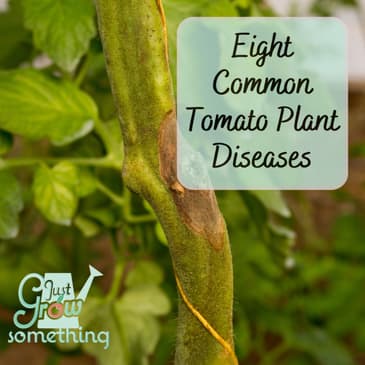
Since it's peak tomato growing season in most areas of the northern hemisphere, I thought it would be a good time to revisit an old episode about tomato plant diseases! This is not a comprehensive list, but a discussion of eight of the most prevalent diseases. As always, be sure to check with your local university extension to find out which diseases are most prevalent in your area. This will save you some stress. Let's dig in!
Episode Resources:
Ep. 99 - Eight Common Tomato Diseases: Identification, Prevention, and Treatment
Hosted by Simplecast, an AdsWizz company. See pcm.adswizz.com for information about our collection and use of personal data for advertising.
00:00:00
Welcome back my gardening friends to another focal point
00:00:02
Friday episode. Let's spend just a few minutes
00:00:05
together, reviewing a snippet of information, from a previous
00:00:08
episode, highlighting a new topic or quickly focusing on a
00:00:11
current event in the food and agriculture world.
00:00:14
Let's get down and dirty. So as we move into June, the
00:00:18
majority of us have gotten our tomato plants in the ground.
00:00:21
If you are in the southern part of the northern hemisphere, you
00:00:24
are probably well on your way to your first harvest.
00:00:27
If you're a little bit further north of me than you are
00:00:29
probably. We just now getting your tomato
00:00:31
plants into the ground or you are anticipating being able to
00:00:34
do that soon. And those of us here in West
00:00:37
Central, Missouri are probably already starting to battle
00:00:40
tomato diseases at based on our humidity and our rain patterns.
00:00:44
So I thought today would be a good time to revisit something
00:00:48
about tomato plant diseases. I covered the top eight of these
00:00:53
in episode 99, so we are going to revisit that one today,
00:00:56
enjoy. Now, I'm not going to hit all of
00:01:04
the possible diseases that you could get on your Tomatoes.
00:01:06
I'm just going to hit the eight, most common ones.
00:01:09
There are honestly, so many diseases that could hit your
00:01:13
tomato plants, depending on where you live.
00:01:15
This would be a three-hour episode if I covered them all.
00:01:18
So these are going to be the ones that I have seen and read
00:01:21
are the most prevalent. Now, I've not had Direct
00:01:24
experience with all of them, thankfully, but I have a lot of
00:01:28
resources for my college classes and All my Growers guide, so
00:01:31
I'll do my best to relay the info on the ones that I'm not
00:01:34
familiar with. So you can at least get an idea
00:01:36
of what to look out for and how to prevent or contain diseases
00:01:40
in your Tomatoes. I would always recommend doing a
00:01:44
search on your local University, extension service or plant Lab
00:01:48
website for diseases that are most common in your area.
00:01:52
So you're not freaking out about something that just isn't very
00:01:54
common in your climate. So without further Ado, let's
00:01:58
dig into the eight most common tomato plant diseases.
00:02:02
First up, bacterial Wilt, bacterial Wilt.
00:02:06
It's also called Southern bacterial.
00:02:08
Blight is a serious disease caused by Ralph's.
00:02:12
Tonyia soul in this area. Now, that last name their soul
00:02:16
in a cerium tells you, this is a disease of the solanaceae is,
00:02:19
right? Or tomatoes or peppers, are
00:02:21
potatoes, that sort of thing. This bacteria survives in the
00:02:25
soil for Periods. And it enters the roots through
00:02:28
wounds made by transplanting cultivation.
00:02:31
Insect feeding damage, what have you?
00:02:35
This is different from the bacterial Wilt that we see in
00:02:38
cucumbers and other qubits that bacterial Wilt is spread by
00:02:42
insects specifically, cucumber beetles.
00:02:45
This bacterial Wilt is specific to tomatoes and their other
00:02:49
solanaceae cousins and rely resides in the soil.
00:02:54
Now, high temperatures and high moisture.
00:02:56
Speed the growth of this disease, the bacteria multiply
00:02:59
rapidly inside the water conducting tissues of the
00:03:03
plants. That's the xylem filling it with
00:03:06
slime. So this causes a really fast
00:03:11
wilting of the plant. While the leaves still stay
00:03:13
green. And if an infected stem is cut
00:03:16
crosswise, it's going to look Brown and you're going to have
00:03:20
these tiny droplets of a yellowish ooze coming out of it.
00:03:24
Yum. Control of bacterial Wilt.
00:03:28
When you have infected soil, is really, really difficult.
00:03:32
Rotation with non susceptible, plants like your corn, beans
00:03:35
cabbage, for at least three years between planting other,
00:03:40
solanaceae will provide some control.
00:03:43
You do not want to use Peppers or eggplant, or potatoes,
00:03:47
sunflowers or Kosmos in that rotation.
00:03:50
You do want to remove all infected plant material.
00:03:54
If you discover that your plants are infected.
00:03:56
It though, unfortunately, there is no chemical control for this
00:04:00
disease. So you might consider growing
00:04:04
all of your susceptible solanaceous plants in a separate
00:04:09
newly prepared Garden site. If you discover that you have
00:04:12
bacterial Wilt, you want to be completely separate from your
00:04:16
original garden. And then you also want to make
00:04:19
sure that you thoroughly hose off all the soil from any of
00:04:22
your tools that you used in the original infested beds and
00:04:25
thorough way. Sterilize them before you use
00:04:28
them in your new Garden site. Next on our list is early blight
00:04:32
early, blight also known as alternaria leaf, spot is one
00:04:36
that I am very familiar with this disease, is caused by the
00:04:40
fungus, alternaria land area, and it first pops up as these
00:04:45
small brown lesions mainly on the older foliage of your
00:04:49
tomato, plants the spots, then get bigger and they form these
00:04:53
concentric rings in a bull's eye.
00:04:56
Pattern usually smack dab in the center of the disease area.
00:05:00
And then the to the tissue surrounding the spots is going
00:05:03
to start turning yellow, a sickly color.
00:05:06
Now, here's what usually causes the biggest problem.
00:05:09
If you get both high temperatures and high humidity,
00:05:12
at this stage of the disease, a lot of the foliage on your plant
00:05:16
is just going to be killed off plants with early.
00:05:20
Blight may also get lesions on the stems that look, very
00:05:23
similar to the ones on the leaves and it's sometimes Just
00:05:26
causes caller rot, which is where the lesions will girdle.
00:05:29
The plant right at the soil line.
00:05:32
If all of this doesn't kill the plant off and it does manage to
00:05:36
produce fruit, the fruit will often have really large lesions
00:05:40
usually covering most of the entire fruit with those
00:05:43
concentric rings. And then the infected for
00:05:45
usually just drops right off the plant.
00:05:48
Now this fungus survives on Infected, debris in the soil, it
00:05:52
survives on seeds, it will show up on volunteer.
00:05:56
Tomato plants and other solanaceous plants.
00:05:59
Like potatoes and eggplants plus black Nightshade which is a very
00:06:03
common weed and it is also in that same family.
00:06:07
That's generally what we think is the alternate host in our
00:06:11
area that holds onto the fungus until it's time to spread it.
00:06:14
I'll happily to Our tomato plants that black knight shape.
00:06:17
So to prevent the disease you want to use resistant or
00:06:21
tolerant tomato varieties if you can and don't save seeds from
00:06:24
open pollinated plants. Were infected the year before.
00:06:28
Use a good crop rotation. Keep your weeds in your
00:06:30
volunteer tomato, plants at Bay and use proper plant spacing to
00:06:35
keep them from touching each other.
00:06:37
You want that airflow mulch your plants to keep the soil from
00:06:41
splashing up on onto the, the leaves and try to avoid overhead
00:06:45
watering especially during very warm and human times in the
00:06:49
season. Now, if you see signs of the
00:06:51
disease, trim off and dispose of all of the infected lower
00:06:55
branches, and And the leaves. This is one reason why I
00:06:57
generally will prune my tomatoes so that the leaves and branches
00:07:01
that are closest to the ground are completely removed even
00:07:04
before I see signs because it's pretty inevitable.
00:07:07
That we're going to get it here. If you do, end up with more
00:07:11
signs of the disease, make sure you trim up and remove all of
00:07:13
those affected leaves and then treat with an appropriate
00:07:16
fungicide for your garden practices for me, that means a
00:07:20
copper fungicide. I'm getting ready to apply my
00:07:23
first round of it this week and I'll put a link in the show
00:07:25
notes for what I Be using. I am very confident.
00:07:28
I'll be able to nip it in the bud because, yes, I am already
00:07:31
seeing signs of it on my lower leaves.
00:07:33
And I am thankful this week is predicted to be a little bit
00:07:36
lower in humidity, so I can trim up the plants and give them a
00:07:39
good spray of that copper. So, usually, what follows
00:07:43
immediately? After early blight in my garden
00:07:45
is next on my list, which is sub Toria leaf spot, but it
00:07:49
absolutely can be its own Standalone disease in your area.
00:07:53
The reason it follows early blight so, well, is because
00:07:56
Because the fungus that causes it septoria like a person.
00:07:59
Key is most active when temperatures range between 68
00:08:03
and 77 degrees Fahrenheit. And the humidity is high and
00:08:07
there has been some rainfall or some overhead irrigation wedding
00:08:10
the plants that is usually the conditions that follow our hot
00:08:15
humid weather where the early blight comes in.
00:08:18
In fact, we're getting that now with overnight lows in that
00:08:20
temperature range, but we're in a dry spell right now.
00:08:24
So the humidity isn't quite as And but I have no doubt it's
00:08:27
coming back soon and therefore septoria will probably rear its
00:08:31
ugly head. Now Satori leaf spot damages the
00:08:35
Tomato, foliage the petioles and the stems.
00:08:38
But unlike early blight the fruit is not infected no
00:08:42
infection usually occurs on the lower leaves near the ground.
00:08:45
After the plants begin to set fruit, you'll get numerous small
00:08:50
circular spots with dark borders.
00:08:52
Surrounding a beige colored Center on once again.
00:08:56
The older leaves. These are the ones that are
00:08:57
usually closest to the ground. And then the center of those
00:09:01
spots. You'll see these tiny black
00:09:03
specks and those are the spore producing bodies.
00:09:07
Severely spotted leaves will turn yellow.
00:09:09
They'll die. They'll fall off the plant and
00:09:11
then this defoliation is going to weaken the plant.
00:09:14
It's going to reduce the size and the quality of the fruit and
00:09:17
it's going to expose any fruit that does develop two sons
00:09:21
called. Now, this fungus is not soil
00:09:24
born but it can overwinter On crop residue from previous crops
00:09:28
decaying vegetation. And on some of those weeds
00:09:31
related to Tomato like that black Nightshade that we talked
00:09:34
about. So prevention includes crop
00:09:38
rotation as always and cleaning up.
00:09:41
All the garden debris at the end of the season, keeping those
00:09:44
related weeds in check and not using overhead irrigation.
00:09:48
Now once you see the disease remove the infected leaves,
00:09:52
prune them to ensure good airflow.
00:09:54
And then that same copper spray that I'll be using Using for the
00:09:56
early blight can also be used for Satori leaf spot.
00:10:00
In my case, using it multiple times in the early part of the
00:10:04
Season controls, both of them and I'm usually good to go after
00:10:08
that. So the next is, he's on our list
00:10:12
is bacterial spot. Now, this disease is caused by
00:10:16
several species of the bacterium xanthomonas, which infect Green
00:10:21
Tomatoes but not red tomatoes. So the disease is more prevalent
00:10:25
during wet Seasons. Damage to the plants, includes
00:10:29
leaf and fruit spots, which result in reduced yields
00:10:33
defoliation. And so once again, Sun scalded
00:10:36
fruit, the symptoms consists of numerous Angular 2 irregular
00:10:43
water soap spots on the leaves and then slightly raised to
00:10:48
scabby looking spots on the fruits that look like black
00:10:52
dots. The leaf spots have a yellow
00:10:55
Halo and the centers of the spots will start to dry out and
00:10:59
they may cause the leaf to actually tear in the center.
00:11:02
Now the bacteria survive the winter on volunteer tomato
00:11:06
plants and on Infected plant debris, seeing a pattern here.
00:11:10
Moist weather can also lead to disease development another
00:11:14
pattern. Most outbreaks of the disease
00:11:17
can be traced back to heavy. Rain, storms, that occurred in
00:11:19
your area, infection of the leaves, occurs through natural
00:11:23
openings, but infection of fruits must occur through insect
00:11:27
punctures or other mechanical injuries.
00:11:29
So, if you see the beginnings of this disease, you ought to make
00:11:32
sure that you are clearing out as many of the insect pests as
00:11:36
you can. And be careful not to puncture
00:11:37
the fruit while you're working with it now.
00:11:40
Bacterial spot is difficult to control once it appears in your
00:11:44
garden. Any water movement from one leaf
00:11:47
or plant to another like splashing, raindrops that
00:11:51
overhead irrigation or touching and handling the plants while
00:11:55
they're wet after it's been rained on that can spread the
00:11:58
bacteria from the diseased. Plants to the healthy plants.
00:12:01
So prevention is really important here.
00:12:04
Only use disease, free seeds and plants crop rotation is key.
00:12:08
And again, avoiding overhead. Ed, watering remove and dispose
00:12:13
of all the disease in the plant material.
00:12:15
If you see any and then prune your plants to promote air
00:12:18
circulation. Once again, a copper fungicide
00:12:21
will give fairly good control of this disease and get you all the
00:12:24
way through to your Harvest. Now, the next disease on our
00:12:29
list of dastardly tomato, diseases is anthracnose
00:12:33
anthracnose on tomatoes is caused by a group of fungi
00:12:36
within the genus Cola to track, mmm, and these species.
00:12:40
These are primarily pathogens specifically of the tomato
00:12:43
fruit. Now, as the fruit are ripening,
00:12:47
the symptoms first become noticeable as small circular
00:12:50
indented areas and then that indented area later gets this
00:12:55
really dark Center to it. Those disease spots are going to
00:12:59
continue to get bigger and bigger with time because the
00:13:01
infection is continuing to spread deeper into the fruit
00:13:06
then if you combine this with warm moist and humid weather,
00:13:10
You'll see these pinkish colored spores that are standing up from
00:13:14
the black fungal material, that's in the center of the
00:13:17
spots and then those spores are spread by splashing water.
00:13:21
Like you guessed, it rain or overhead irrigation.
00:13:24
Now, the fungus that causes anthracnose can be transmitted
00:13:28
within the seed. So if your seeds aren't
00:13:31
certified as being free of this specific fungus, you can take
00:13:35
matters into your own hands by treating them, by soaking them
00:13:39
in. 82, °F water for 25 minutes, to destroy the fungus prior to
00:13:45
planting. And there are some varieties of
00:13:48
tomatoes that have built-in resistance to anthracnose.
00:13:52
Once again, do not over head, irrigate your Tomatoes splashing
00:13:57
water AIDS in the spread of those fungal spores, how many
00:14:01
times are we going to say that in this episode plant?
00:14:04
The garden in a sunny site and steak or cage?
00:14:06
Your tomato plants to provide better air movement and better
00:14:09
leaf. Drying conditions, you want your
00:14:12
leaves dry, keep your garden weed free the presence of weeds,
00:14:15
May raise humidity levels around the plants and that's going to
00:14:18
slow the drying conditions. And of course you very well may
00:14:21
have other weeds in the solanaceae family that are
00:14:25
there. That can also Harbor this
00:14:26
disease now because this disease does affect other plants.
00:14:31
In the solanaceae family, you really want to be sure that
00:14:34
you're rotating your crops. Preferably nothing in that
00:14:37
family in the same space for 3 years, Like I said some weeds
00:14:41
that infest the garden are also in the same family which is
00:14:44
another reason to keep your garden as free of weeds as
00:14:46
possible and I know easier said than done.
00:14:50
The fungal spores can remain in the soil to inflict plants the
00:14:54
following year. So mulching, your garden is
00:14:57
going to help create a barrier between that soil surface and
00:15:00
the fruit to reduce infections Harvest, your tomato, fruit
00:15:04
daily, and then, remove and destroy the crop debris.
00:15:08
As soon as the crop has finished bearing, do Do not add this
00:15:11
debris to your compost. You want to burn it or
00:15:14
otherwise, remove it from your property.
00:15:16
Now, fungicide sprays can help reduce anthracnose disease
00:15:21
specifically, the copper ones there are chemical based
00:15:24
products that can be sprayed weekly to reduce infection.
00:15:28
It's entirely up to you if you choose to use those just please
00:15:32
follow the label directions. Remember the label is the law,
00:15:37
for instance, there is a five-day waiting period between
00:15:39
spraying Picking, if you're using a spray that contains
00:15:42
mancozeb so be cognizant of what you're using and how you're
00:15:46
using it. Our next disease is fusarium
00:15:50
Wilt. This is a warm weather disease,
00:15:53
caused by the fungus fusarium oxus Purim.
00:15:56
Now, this is particularly common in the southern us, but it can
00:16:00
occur anywhere, really the first indication of disease.
00:16:03
Usually happens early in small plants where the lower leaves
00:16:07
will droop and Wilt and then the Yves begin to turn yellow and
00:16:12
then finally the entire plant just Wilt over and dies.
00:16:16
Now, often leaves only on one side of the stem will turn
00:16:21
yellow at first and the outside of the stem of these wilted
00:16:24
plants won't show any signs of Decay, but when you cut it
00:16:27
lengthwise, the lower stem will have a dark brown, discoloration
00:16:32
of the xylem, which is that vascular system that
00:16:35
distributes, the water throughout the plant.
00:16:37
So the fungus is soil, born and Passes upward from The Roots
00:16:42
into the vascular system of the stem.
00:16:45
And it blocks the water conducting vessels in the plant
00:16:48
and that causes the plant to wilt and die.
00:16:51
There is no chemical control for fusarium Wilt.
00:16:55
Once it's in your soil. It's there for the Long Haul.
00:16:58
Once you see signs of this in your garden area, you'll need to
00:17:01
stop growing anything that is susceptible to the fungus.
00:17:05
There are some cultivars that are resistant to through cerium
00:17:08
welt, if you must continue planting NG and crop rotation is
00:17:11
going to be absolutely important here, but you may end up needing
00:17:15
just to create raised beds, that contain no native soil.
00:17:19
In order to prevent the pathogen from taking hold of your plants.
00:17:23
Next up, Southern blight, this one is caused by the fungus
00:17:27
ethelia. Rolf CI, the first symptom just
00:17:31
like other wilts is the drooping of the leaves.
00:17:33
Now, on the stems, there will be a brown.
00:17:36
Dry rot that develops? Right?
00:17:38
Near the soil line. And then there's a white fungal
00:17:41
growth with these brown little. I don't know.
00:17:46
Bumps that look like mustard seeds.
00:17:48
That will develop over top of that dry rot area.
00:17:51
The stem lesion is going to develop really really rapidly
00:17:55
and it's going to grow the stem and result in a sudden and
00:17:59
permanent Wilt of all of the above ground parts of your
00:18:03
tomato plant, the fungus can also attack fruits where they
00:18:06
touch the soil. So it's important to stake your
00:18:08
plants this. Is can survive for years in the
00:18:12
soil and the plant debris. And it is favored most by
00:18:16
moisture conditions and high temperatures.
00:18:18
So crop rotation is essential to preventing Southern blight, do
00:18:23
not plant tomatoes after beans or Pepper or eggplants, it may
00:18:27
also help to plant small grains. After any of your solanaceae is
00:18:31
to help with the control and removal of plant debris,
00:18:34
immediately after harvest, will also help to control the disease
00:18:38
and Finally on our list of these tomato plagues is tomato.
00:18:44
Yellow Leaf curl. Now this is a virus that is
00:18:48
transmitted by whiteflies. We talked about this one a
00:18:50
little bit. A few episodes ago in our
00:18:52
question of the week this disease is extremely damaging to
00:18:57
fruit yield in your Tomatoes whiteflies bring the disease
00:19:01
into the garden from infected weeds nearby specifically, those
00:19:05
black night shades and Jimson weed after infection your tomato
00:19:09
plants. I have no symptoms for as long
00:19:12
as two to three weeks. And then suddenly, you'll begin
00:19:15
to see the upward curling of the leaves yellowing of the leaf
00:19:19
surface between the veins. We call this chlorosis, you'll
00:19:22
have smaller leaves than normal on the plant.
00:19:25
The plant will be stunted and then it'll start dropping its
00:19:28
flowers. If tomato plants are infected
00:19:30
early in their growth, there may be no fruit formed at all and
00:19:35
this infection Maybe random throughout the garden.
00:19:37
Some plants may get it and others may not.
00:19:40
Not removal of plants that have those initial symptoms may slow
00:19:45
the spread of the disease. And any infected plants that you
00:19:48
remove should immediately be bagged up to prevent the spread
00:19:52
of the whiteflies feeding on those plants and then bringing
00:19:55
them back into your garden to infect your uninfected plants.
00:19:59
Keep your weeds controlled in and around the garden site
00:20:02
because again those weeds maybe alternate hosts for the
00:20:05
whiteflies and also for the disease.
00:20:08
Now, if you see white flies appear, you can use a neem oil
00:20:12
spray to help keep them away or a horticultural oil spray.
00:20:15
If you had any infected plants at all or solid infestation of
00:20:19
whitefly at the end of the season, remove all susceptible
00:20:23
plants and burn them or dispose of them elsewhere.
00:20:27
You don't want the whitefly feeding on them or
00:20:29
overwintering. If this has been a problem in
00:20:31
your garden in the past, there are also tomato cultivars that
00:20:35
are resistant to Tomato Yellow Leaf curl.
00:20:38
Virus. Thanks for joining me on this
00:20:41
focal point Friday. I'll be back again on Tuesday
00:20:43
for another regular episode of the just grow something podcast.
00:20:46
So, until next time my gardening friends, keep on cultivating
00:20:49
that dream garden and we'll talk again soon.
00:20:38
Virus. Thanks for joining me on this
00:20:41
focal point Friday. I'll be back again on Tuesday
00:20:43
for another regular episode of the just grow something podcast.
00:20:46
So, until next time my gardening friends, keep on cultivating
00:20:49
that dream garden and we'll talk again soon.