
The idea of being able to just plant something once and harvest off of it for years or decades is very pleasing. For most of us growing in USDA Hardiness Zones 3 through 9, we have lots of options. Warmer and colder climates are going to have a few challenges and warmer climate folks definitely have a different range of options than the rest of us, but there are still plenty of options to choose from. Just be sure to look for varieties that are specifically bred to be hardy in your zone.
 So, let’s go through by hardiness zone what the most common perennial fruits and vegetables are that can be planted in your area. There may need to be some special considerations for freeze protection for those of you that stay really cold for an extended period of time, so these are just general recommendations.
Zone 1: I don’t know of any perennial vegetables that will survive that kind of winter cold. But there are varieties of apples, as well as haskap berries and chokecherries, that are perennial and will come back after hitting those crazy low temperatures. But these more than likely are going to need extra protection through the winter, you’ll need to check the varieties and their hardiness. You can also go for things that are native to the area you live in for optimum survivability.
Zone 2: With some very heavy extra protection, you might be able to get away with growing asparagus. Perennial fruits include some varieties of apples and plums and the chokecherry as well as honeyberries. And, again, look for native plants that provide edible fruits to add to your garden varieties.
Zone 3: Here again, you can grow asparagus with a good layer of mulch over the wintertime and you should be able to grow rhubarb and sunchokes, as well. Ramps and Egyptian walking onions are more hardy vegetable options in Zone 3. With the fruits, we start to get into much more variety here. Not only are there varieties of apples and plums that are hardy in Zone 3, but there are also cherries, pears and apricots. You also have more options for small fruits and berries, like goji berry, raspberry, blackberries and blueberries, gooseberries and strawberries. Elderberries and currants should also be able to grow and survive in Zone 3, alongside chokecherry and honeyberry.
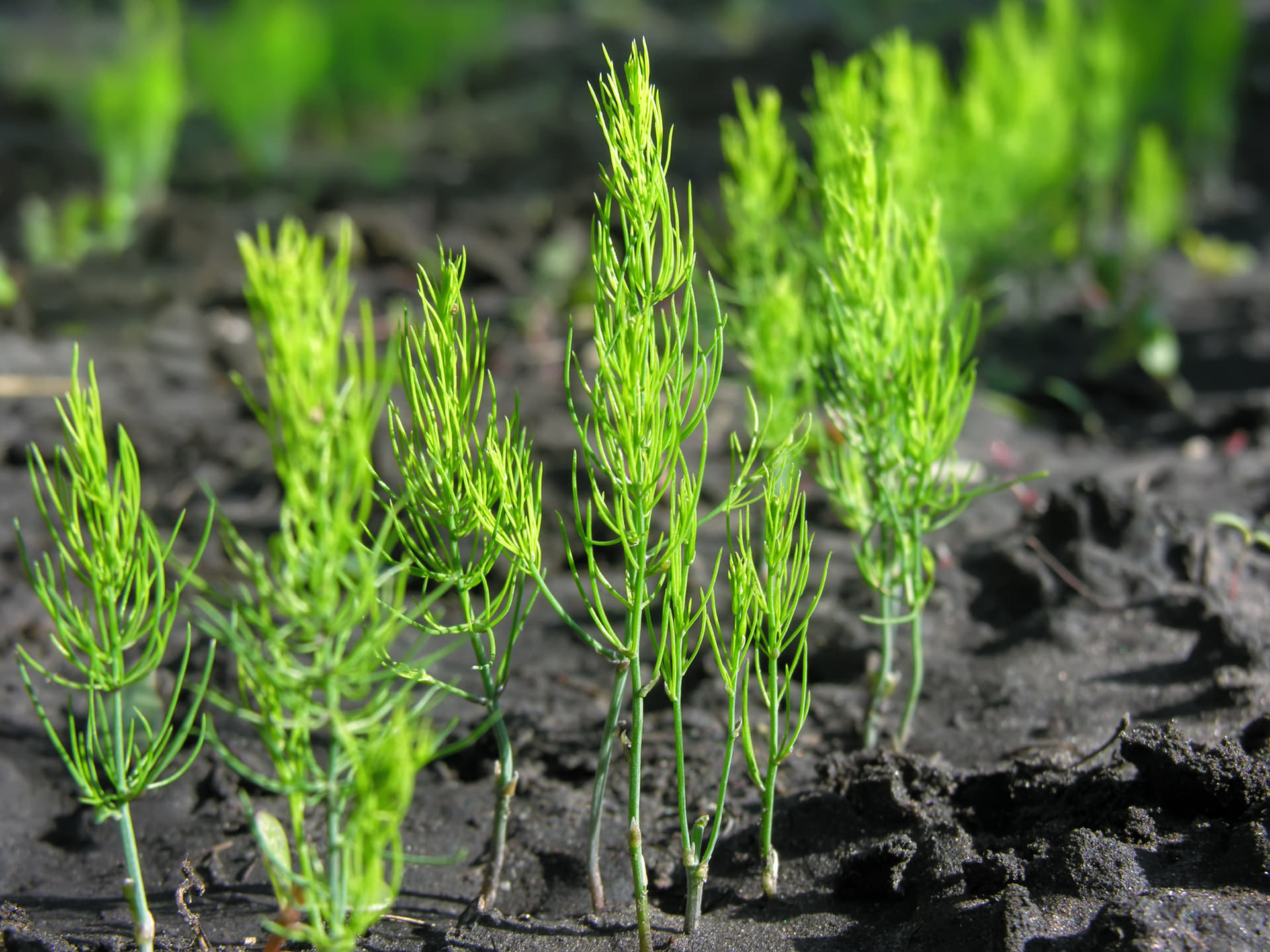 Zone 4: We start to get more options here. Perennial vegetables include asparagus, rhubarb, sunchokes, ramps, and walking onions, with the addition of horseradish. Perennial fruits in Zone 4 include the aforementioned fruits from Zone 3, but you’ll have a wider selection of varieties in those. Apples and plums and pears all do well in Zone 4, all the cane berries, plus the strawberries and elderberries, currants and such. And now there are a few varieties of peaches that are bred to do well in Zone 4 climates and some hardier varieties of grapes.
Zone 5: All the same perennial options from Zone 4 for vegetables and the fruits with the addition of native Paw Paw trees, a few more varieties of peaches, nectarines, and the Chicago Hardy fig to round out your fruit selection.
Zone 6: All the same perennial veggie options from Zone 5, with the addition of watercress. For fruits, lots more varieties for all the tree fruits and berries, with the addition of persimmons. You can grow just about anything that’s not a tropical fruit in Zone 6.
Zone 7: You can add globe artichokes to the list of perennial vegetables you can grow and now we’re getting into the zone where fruits can get a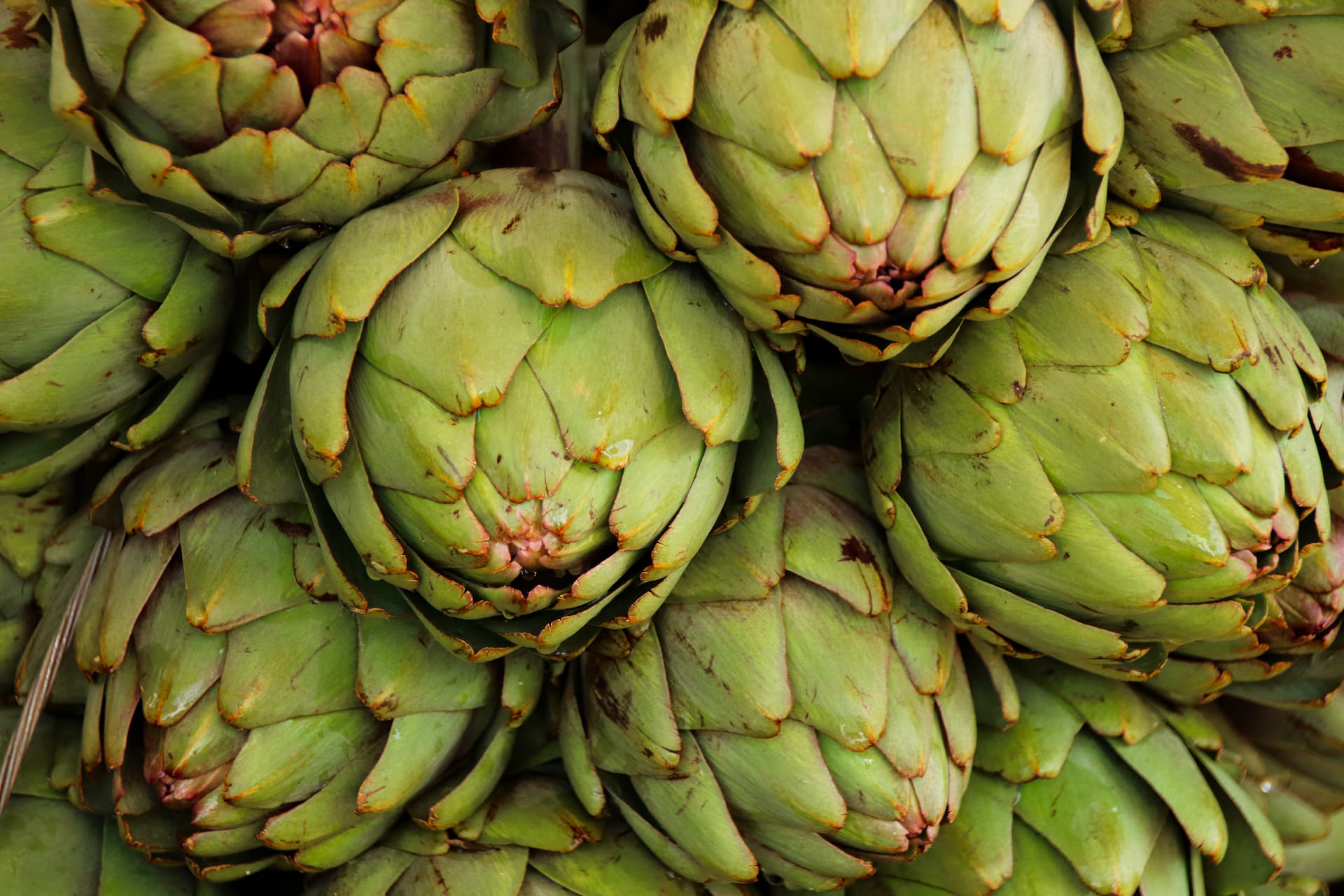 little more exotic, more types of persimmons, true figs, wide varieties of Paw Paw trees and other tree fruits.
Zone 8: Here’s where we start to go a little backwards with some things. You can still grow most of the perennial vegetables from the previous zones and you can add chayote to that list, but horseradish starts to struggle in the warmer Zone 8 climate. And we start to see some of the fruit species become less available. For example, blueberries don’t do particularly well in Zone 8. But you can grow more exotic fruits like small limes, mandarins, more fig varieties, and even push the boundaries with blue java bananas, those ice cream bananas.
Zone 9: Here’s where we really start to see a change. Instead of worrying about cold hardiness, we’re looking at heat tolerance with Zone 9 and above. Things that need the cooler weather to thrive just don’t do well in Zone 9. So, your perennial veggies are limited to ramps and watercress, walking onions, and globe artichokes, but you get to add perennial kale and tree collards. These will grow all year round in Zone 9 and warmer. Fruits begin to change dramatically here, too. No more apples, peaches, and pears. They’ve been replaced by all the citrus fruits and avocados, papayas and plantains. You can still grow honeyberries and service berries, mulberries and grapes, blackberries and raspberries, but strawberries have a hard time in Zone 9.
Zone 10: The high heat of Zone 10 makes it difficult for somethings to grow. Many of the things other gardeners are growing as perennial vegetables just won’t grow where you are. You likely will have luck with perennial kale and tree collards with the addition of Malabar spinach, which can tough it out through your hottest days. You do have many, many different options for fruits, though. Papaya, guava, different banana species, jackfruit, all things that really only grow well in Zone 10 or warmer.
Zone 11: Extremely warm zone, zero frost days. There’s not really anything that we consider a perennial vegetable in Zone 11 because there is no frost. If it can tolerate the heat, it can grow year-round! The fruit options, again, very exotic, with mango and papaya and guava and all the Tropicals and citrus fruits, but nothing really in the way of the most common berries. Native plants are a good option here.
Zones 12 and 13 I can’t even touch on because I’m not well-versed enough in those climates to speak on it. If you are a gardener in one of those zones, reach out and tell me about what you can grow perennially there!
Important tip: do your research before you buy anything. Figure out the soil needs of what you’re going to plant: what nutrients does it need the most, what soil pH does it require, does it need to be very well-draining or does it like very damp conditions? And research what time of year they should be planted. You don’t want to buy a fruit tree on clearance from a garden center only to realize that August is not a good time to be planting it in your area. Prepare yourself, and your planting area, ahead of time to be most successful with your edible perennial planting.
Your Friend in the Garden,
Karin