If you like sunflowers as a companion plant in the vegetable garden or just to use as a cut flower, you've likely seen the argument about whether sunflowers are toxic to other plants around them or whether they are good for the soil. The answer is everything you've heard about sunflowers is true!
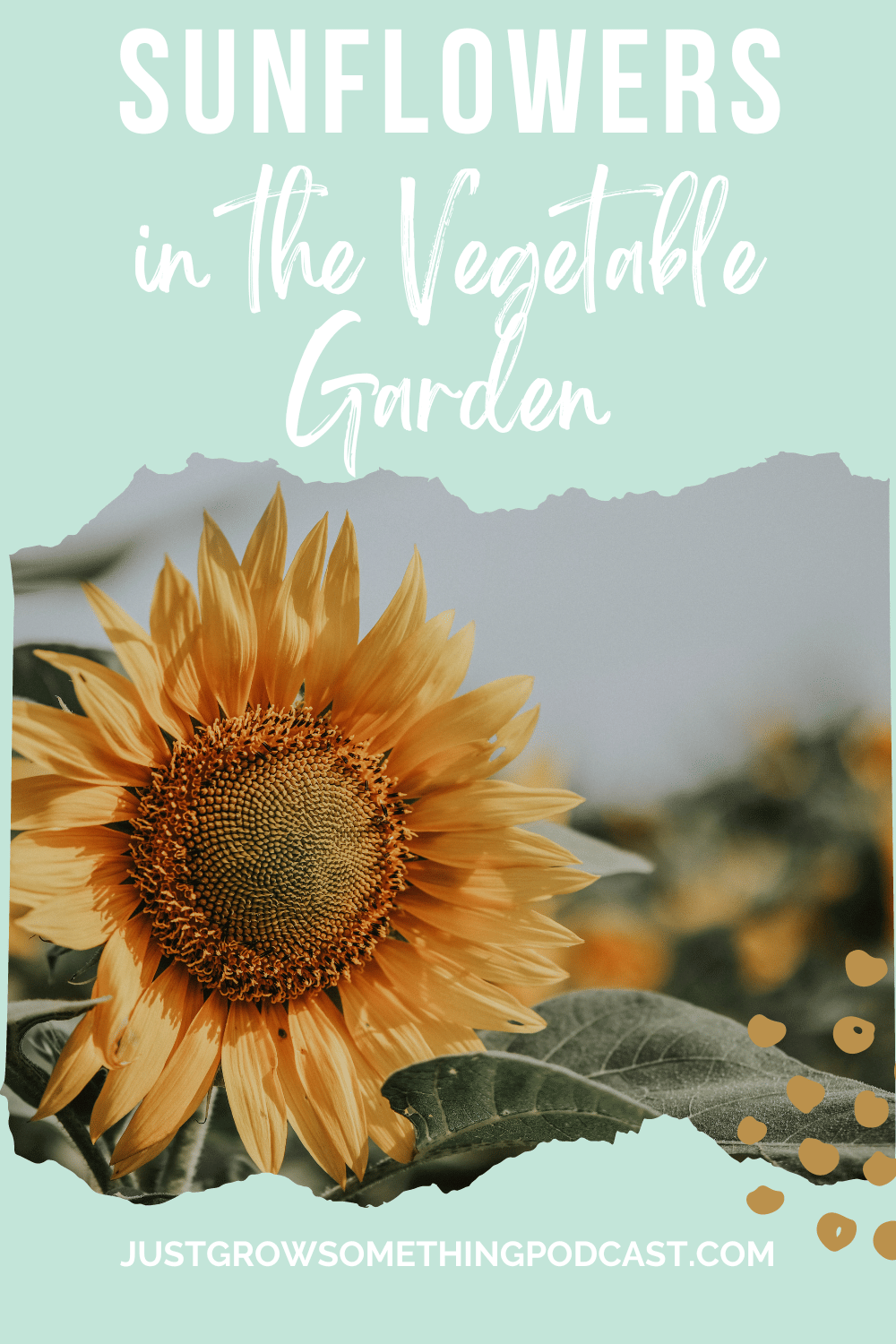 Sunflowers can bring up tons of nutrients. Sunflowers are very deep-rooted plants so they can scavenge nutrients from deep in the soil. This means they can grow very well in areas that are low in nutrients in the top layers of the soil. This also means we can use them as a cover crop to pull nutrients up to that surface layer to be used later by other plants. The best way to do this is to grow the sunflowers throughout the season and then chop them down, break them up, and leave them on the soil surface. Let them compost in place to put those nutrients they’ve brought up back into your soil. Otherwise, sunflowers are heavy nitrogen feeders, and they can actually deplete the soil if allowed to grow over and over again in the same space without returning those nutrients to the soil.
Sunflowers are also allelopathic, which means the plant releases chemical substances into the environment to act as germination or growth inhibitors. All parts of sunflowers contain allelopathic toxins that inhibit seed germination and seedling growth but only in certain plants and only within a certain range. This is how they snuff out their competition. They shouldn't be planted with potatoes, beans, or fennel (and certain other flowers). But this also means they are detrimental to many weeds, too! So, they do make a good companion crop to other plants. If you plan to plant any of the plants that are affected by sunflower phytotoxins, you don’t want to work the sunflower plant residue back into the soil where you will be planting beans or potatoes or fennel. The phytotoxins that are detrimental to those plants will remain in the soil and prevent proper growth. But if you’re trying to rid yourself of weeds in an area, working the sunflower residue into the soil will build nutrients and decrease weeds at the same time. It’s all about using that allelopathy to your advantage.
And, finally, yes, sunflowers are good for the soil! Sunflowers are considered hyper-accumulators. Hyper-accumulators have the ability to absorb high concentrations of particular toxic materials, metals and metalloids from the soil. Because they can take up these metals in such large quantities in a way that is completely natural and that doesn’t disturb the ecosystems around them, they are actually used in a process called phytoremediation. In general, phytoremediation provides a much less invasive way to clean contaminated soil than digging it all out of the ground or using other types of treatments and it’s much less expensive. And it seems that certain sunflower species are better at this than others, which is why research is being done on black oil sunflowers and other sunflowers used for food to determine which ones refuse to pull up heavy metals in order to make our food supply safer.
Just know how you want to use them, and sunflowers can be a great addition to your garden.
Resource episodes:
Focal Point Friday: Are Sunflowers Good or Bad for the Garden?
Focal Point Friday: Follow-up to Sunflowers, Compost and Manure
Your Friend in the Garden,
