
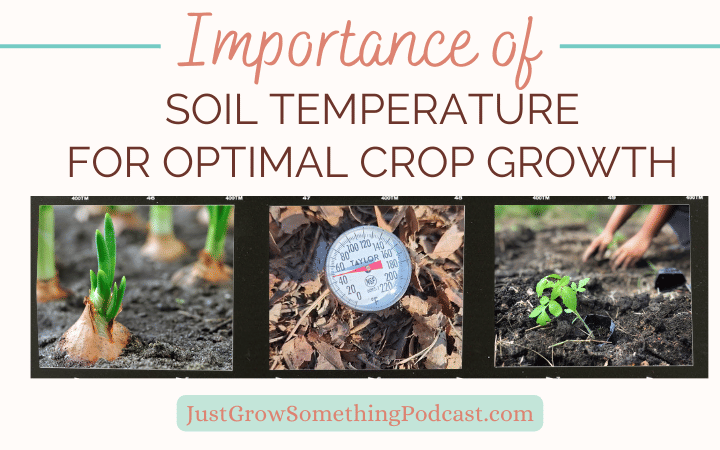
Depending on where you garden, the timing of planting cool-season crops versus warm-season ones can be a challenge. We often plant our cold loving plants too late and our heat loving ones too early and end up with sickly plants that can’t resist pests and disease very well or ones that produce much later than they should. Plus, the gardener is often left to worry about protecting those tender annuals from late frost events or wondering why a plant tends to just sit there in stasis for weeks after being planted.
One crucial factor to consider when planting or transplanting in the garden is soil temperature. Plants can't grow without the necessary warmth that allows them to germinate and establish roots in the ground. If you're not planting at the right time, your efforts can be wasted before you even get started.
 Why Soil Temperature is Important for Seed Germination and Transplant Growth
Soil temperature is crucial for the success of our garden plants, regardless of the season. Seeds require a specific minimum soil temperature to sprout and establish roots, and the same is true for transplants.
The ideal soil temperature varies depending on the types of plants you're growing. For example, cool-weather crops like lettuce and spinach prefer temperatures around 60°F (15.5°C) for germination and 40-50°F (4.5-10°C) for transplanting. Warm-weather plants, on the other hand, need soil temperatures around 70°F (24°C) for germination, 60F for transplanting and a minimum overnight air temperature above 50°F and daytime temperatures of 75F for optimum growth.
If you plant too soon, you risk killing your seeds or seedlings by exposing them to soil temperatures that are too low or too high. Conversely, planting too late can result in subpar growth and reduced yield, leaving you with a garden that fails to meet your goals.
How to Test Soil Temperature for Optimal Planting Time
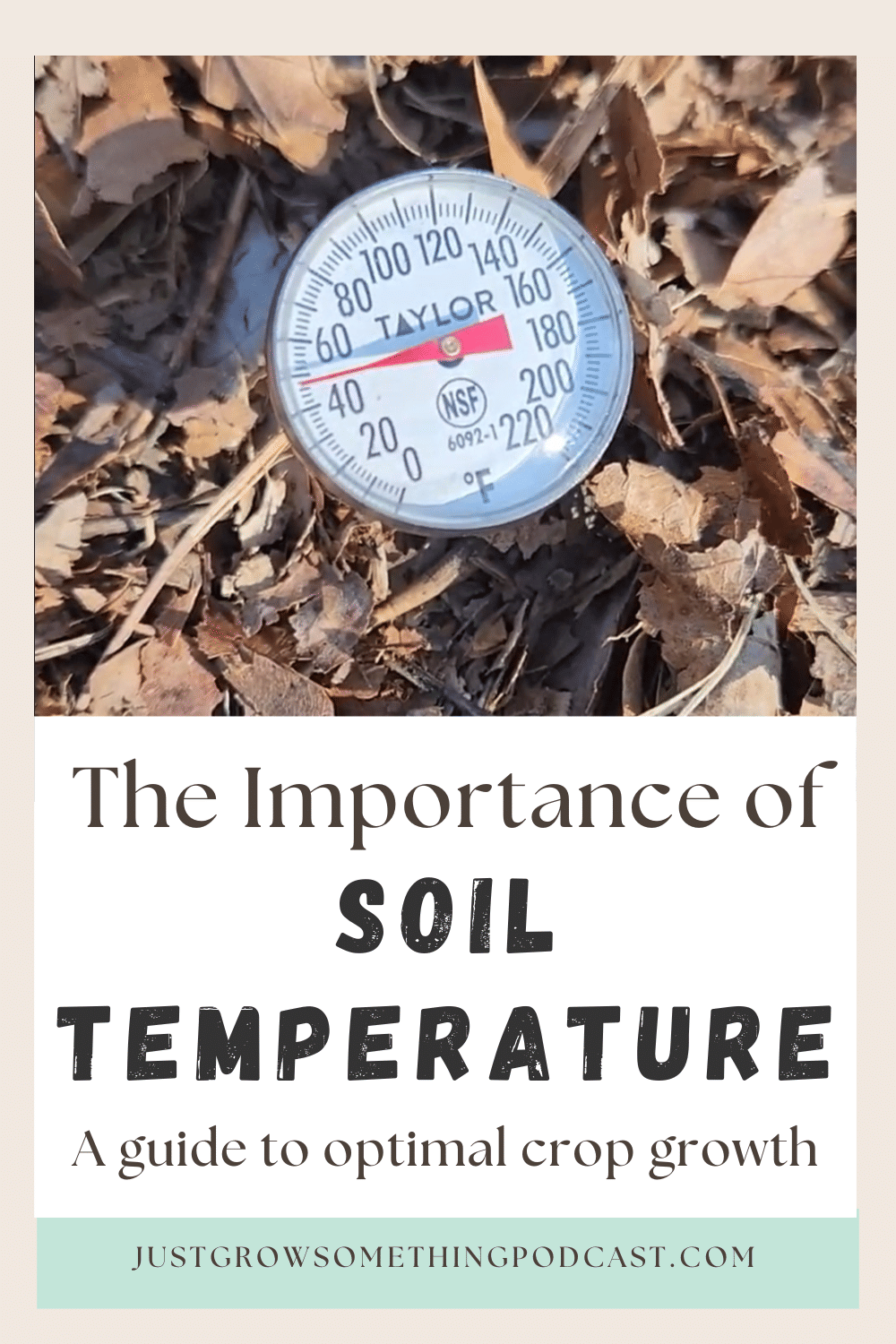
Before you start planting, it's essential to figure out how to measure soil temperature properly. All you need is a simple soil thermometer, which you can get at any garden center or online. Take a soil temperature reading at the two- to four-inch mark (5-10cm) in mid-morning for the most accurate representation of daily average.
If you're planting seeds, you can use the temperature reading to determine when it's safe to plant. Ideally, you want to aim for the desired soil temperature about a week before planting your seeds. For transplants, you'll want to make sure the existing soil is warm enough to promote root growth.
Factors That Affect Soil Temperature
Soil temperature is affected by a variety of factors, including soil type and moisture content. Sandy and dry soils tend to heat up quickly and can reach detrimental temperatures for seeds and plant roots. Meanwhile, cooler and wetter soils take longer to warm up, creating challenges for early spring planting.
Another factor to consider is the time of day. Soil temperature typically remains higher than air temperature throughout the summer and fall, so the time of day when you measure it can affect your results. For example, taking measurements very early in the morning when the soil is still cool can give you a false sense of how warm the soil will get later in the day.
How to Modify Soil Temperature for Optimum Growth
If you find that your soil temperature is too low, there are ways to modify it to help your plants grow. One effective method is to use mulch, which helps maintain even soil temperatures. To warm up the soil, remove the mulch during the day to let the sun's rays penetrate the soil surface. Then, put the mulch back in place before the sun goes down to trap heat in the soil at night.
Another tactic is to use a cloche, which is a transparent covering that creates a mini greenhouse. This can help create a protective environment that raises the temperature and protects plants from cold winds and frost. Other versions of this include using dark landscape fabric to heat the soil or creating caterpillar tunnels covered with plastic to magnify the air temperature underneath and trap the heat in the soil.
When to Plant in Different Regions
Different regions have different planting times, so it's essential to know what works for your area. For example, the last frost date in west-central Missouri is around the middle of April, but planting immediately afterward can result in warm-weather plants waiting for the soil to warm up before growing.
Meanwhile, for cool-season crops it's better to plant as early as possible to get a crop before the heat of summer hits. In general, the decision to plant should be based on soil temperature, rather than air temperature or a specific date on the calendar.
How to Grow More Successful Plants
Healthy plants are better equipped to fight off diseases and pests. Maintaining optimal soil temperature is just one element of plant care. By understanding what soil temperature your plants need, how to test it, and how to modify it when necessary, you'll be well on your way to healthier plants and a less stressed gardener.
Resource episode: Ep. 142 - Planting by Soil Temperature vs Air Temperature: When's the best time to plant?
Your Friend in the Garden,
