
As we become more experienced and move along in our garden journey, we begin to realize gardening is part chance and part science. The more we know about what we're working with, the better chance we have of getting successful results. One of the basic things we should know as much about as we can in our garden is our soil.
While many of us do a soil test for nutrients every season, there's another factor affecting the yields in our gardens – soil texture and soil composition. If I’d known earlier how to check the texture and composition of my soil and how each one of those affects our garden differently, I guarantee I would have had more success earlier in my gardening journey.
Different types of soil have different water holding capacities and nutrients move through them differently based on their composition. Knowing what the texture of our soil is also helps us to know what the best amendments are for our particular soil and the plants we want to grow.
Properties of Different Soil Types
Soil is a made of soil particles, organic matter, water, air, and all kinds of living organisms. The particular combination of these is our soil structure. The three primary soil particles that make up the soil composition are sand, silt, and clay. Our soil texture is classified by the type of particle that makes up the majority of our soil. Each soil type has a distinctive feel and different properties that make it more or less ideal for gardening.
Sandy Soil
Sand is the largest of the soil particles. It is a sharp-edged material, giving the soil a gritty feel. When wet, sand remains course and breaks apart easily. Sand particles are solid and have no pockets to hold water and nutrients. As a result, sandy soil holds almost no nutrients and does not retain moisture. Sandier soils need to be watered and fed more frequently than other soils and most plants have trouble growing in this type of soil.
Silty Soil
Silt particles are smaller than sand particles. When wet, a silty soil feels smooth and has a silky texture, not gritty. It's rich in nutrients and retains moisture well, sometimes to the point where garden plants don't get enough oxygen. Too much silt in the soil can cause plants to wilt even when there is plenty of water, basically because they can't breathe.
Clay Soil
Clay is the smallest of the particles. Clay soil will clump and feel sticky when wet. Air flow is very limited between these soil particles. When dry, the soil has a dusty, crumbly feel to it and the surface is hard and compacted, making it difficult to dig in or to till. Clay soil has a higher water holding capacity, but also less space available for organic matter and oxygen. Clay soil is high in nutrients, but plant roots may not be able to penetrate the densely packed particles to access those nutrients or the oxygen they need.
Loamy Soil
Loam is a combination of all three particles in nearly equal proportions. It’s a beautiful soil to garden in! The sand particles promote drainage and air flow, the silt particles aid in moisture retention, and the nutrient-rich clay balances out the poor water retention of the sand and the excessive moisture of the silt. Loamy soil, or something approximate to it, is the goal for the best gardening experience.
How Do I Know What Kind of Soil I Have?
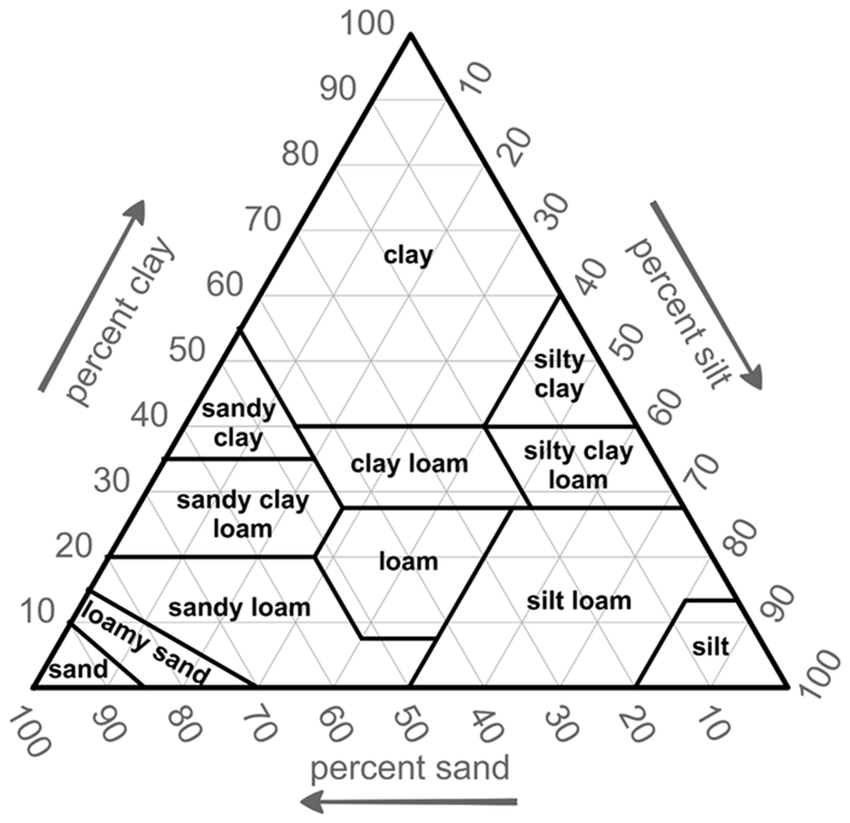
In order to understand your soil composition and texture, you have two options: the ribbon test and the jar test. I personally use the jar test because it gives me much more accurate information. The ribbon test doesn't take as long as the jar test but is a bit more subjective. Both tests are simple to perform and use the USDA Soil Texture Triangle to tell you what type of soil you are working with.
 I created a free instruction sheet to teach you how to test the composition of your soil. Go here to get the download.
If you’ve ever struggled with why certain things, like carrots or beets, won’t grow well in your garden or why your plants seem to always be struggling for nutrients, doing one of these tests may give you some answers. You might be surprised by what is actually in your soil or what’s lacking.
The Best Way to Improve Your Soil Structure
Now that you know what type of soil you have, how can you improve it to get better results in your garden? The easiest and most economical way to improve your soil is to add organic matter, like compost or well-rotted manure, grass clippings, cover crops, or leaf mold. Adding organic matter doesn’t actually change the soil’s texture—remember, that’s made up of the percentage of sand, silt, and clay specifically—but it will alter soil structure by modifying the pore space and improving drainage or water holding capacity depending on your situation.
What it comes down to is knowledge. You can be a successful gardener with any soil texture, as long as you know the attributes and limitations of that soil. And the only way to know that is to know what soil texture you are working with.
Related podcast episode: Ep. 134 - Soil Texture and Composition
Your Friend in the Garden,

RESOURCES
Soil Water Holding Characteristics - Center for Landscape & Urban Horticulture (ucanr.edu)
Soils & Plant Nutrients | NC State Extension Publications (ncsu.edu)
Soil Texture Analysis “The Jar Test” | Home & Garden Information Center (clemson.edu)
Testing Soil Texture by Hand – The Soil Ribbon Test – GrowIt BuildIT