
Right now, many of us are planning the transition from the summer garden to the fall crops. And many of us are likely going to be using spaces that were previously used for a spring or summer crop or both. Whether you are interplanting your fall veggies under the canopy of your summer plants or planning to pull those early crops and replace with new, there are a few things you need to consider prior to planting for fall. Let’s dig in to six tasks to tackle before you plant your fall crops.
- Clean up leftover debris from earlier crops. Any leftover debris from previous plants or plants that are in there now can harbor all kinds of diseases and give shelter to garden pests. So, be sure to remove any dead or diseased vegetation from the soil surface. This includes spent crops, leaves and fruit that have dropped from summer plants, and any foreign matter that may have blown in from the yard.
- Pull weeds. Yes, this seems to be a continuous garden task but it’s especially important to start with a weed-free bed when planting new seedlings. Any weeds that have been there a while may be trying to go to seed and you do not want to give them the opportunity to get a foothold for next year by allowing those seeds to drop. Get as much weeding done as you can right now. Not only will your fall garden thank you, but you’ll be thanking yourself next summer with fewer overwintered weeds!
- Pull any cover crops. If you’ve planted a summer cover crop, now is the time to terminate that crop and allow it to start to break down a little bit. Give your space about a week to ten days to allow that crop to start to breakdown on the soil surface and that root system time to loosen up just a bit and you’ll be good to go to plant for fall.
- Refresh your soil. If you’ve got a good layer of mulch, just pull the mulch back and take a look at the soil. If it seems like it’s compacted a little, use a garden fork to do some fluffing up. This is also a really good time to do a soil test for nutrients and pH and add any amendments or fertilizers. If your soil was depleted at all before you began planting this year, the plants you’ve been growing all summer have been pulling those nutrients constantly. So, unless you’ve been feeding those plants pretty regularly, the soil for your fall crops may need a little boost before planting. Put the mulch back in place when done refreshing and add a fresh layer of mulch, if needed.
- Prepare your frost protection. If you are in an area that gets frosts, like most of us in North America, you don’t want to get caught scrambling to
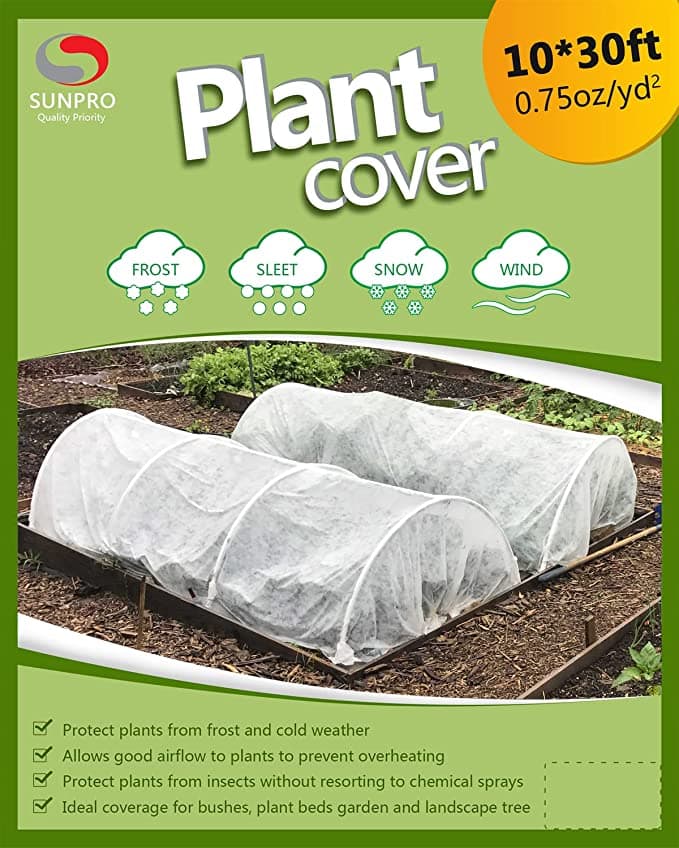 protect fall crops from an unexpected cold spell. Get those frost cloths or old bedsheets or row covers ready ahead of time. If you have hoops or poles for raised beds, get them in place so all you have to do is get out there, throw the covers on and get them secured. If you’re gardening in moveable containers, be sure you prepare a space indoors to give you enough room to bring those pots in with a last minute’s notice.
 - Build or purchase cold frames. A cold frame is any structure, built low to the ground, with a clear or opaque covering to protect plants from cold weather but still allow the light and the warmth in during the day. You can build permanent cold frames as simple wooden boxes with windows or even clear plastic over the top. They can either be filled with soil to plant directly into or you can place your moveable containers inside the frame once the weather begins to turn colder. Cold frames can not only give temporary protection during frosty nights but can also extend your season by a few weeks once you get well past your first frost date in the fall. And, if you choose to keep them around, you can use them in the spring to get a jump on planting or as a place to harden off your seedlings before moving them to their permanent spot in the garden.
That’s it! These six tips will have you well on your way to a successful fall gardening season.
Your friend in the garden,
Karin